15015150026
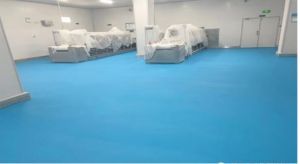
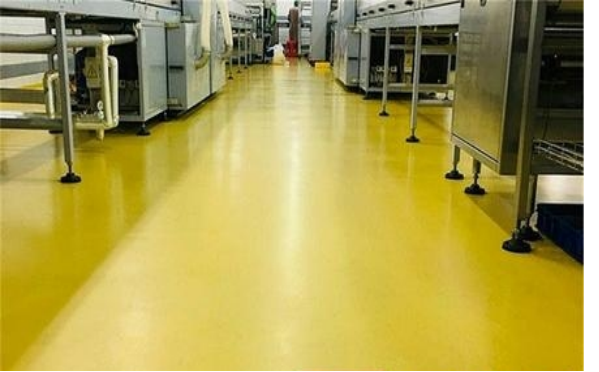
Polyurethane mortar floor 2. png
1、 Product Definition and Core Components
Polyurethane mortar floor is a multi-component colored floor coating system formed by using high-performance waterborne polyurethane resin as the base material, composite high-strength inorganic materials (such as cement, modified calcium phosphate microspheres), high-performance graded silica sand, and active pigments. It constructs a composite structure that combines elasticity and rigidity through chemical reactions between organic resins and inorganic aggregates, achieving a smooth and beautiful surface effect while also possessing special functions to adapt to extreme environments. It is a high-performance flooring solution for modern industrial and commercial fields.
2、 Core Performance Characteristics: Adaptation Advantage to Extreme Environments
1. Excellent physical and mechanical properties
Polyurethane mortar flooring has the core advantages of high strength, compression resistance, toughness, and crack resistance. Its compressive strength can match the requirements of concrete base layers above 25MPa, and its adhesive strength is not less than 1.5MPa. It can easily withstand the frequent rolling of heavy forklifts and storage equipment while maintaining its integrity. In terms of wear resistance, through the organic-inorganic hybrid cross-linking design of nano calcium phosphate lotion and micron modified calcium phosphate microspheres, the molecular network density and mechanical biting ability have been greatly improved, the wear mass loss is far lower than that of traditional flooring materials, and the service life can reach more than 20 years. At the same time, its excellent impact resistance can effectively absorb mechanical collision energy, coupled with good flexibility, it can bridge small cracks in the base layer, avoiding floor cracking and delamination caused by base deformation.
2. Superb chemical stability
This flooring system has broad-spectrum tolerance to various chemical media, especially to resist the erosion of inorganic acids, organic acids (such as lactic acid, oleic acid), alkaline solutions, and oils commonly found in food processing and chemical fields. Experimental data shows that after soaking in 10% sulfuric acid and sodium hydroxide solution for 28 days, the surface is undamaged, the quality loss rate is less than 0.5%, and the oil penetration rate is as low as 0.1mm/year. Some high-end products can withstand strong corrosive media such as 98% sulfuric acid and 37% hydrochloric acid, and have passed authoritative certifications such as NSF and HACCP, fully meeting the strict hygiene and anti-corrosion requirements of the food and pharmaceutical industries.
3. Wide adaptability to high and low temperatures
In terms of temperature adaptability, polyurethane mortar flooring exhibits unique advantages. Polyurethane mortar flooring with a thickness of 4-6mm can be used stably for a long time in the extreme temperature range of -40 ℃~120 ℃, while polyurethane mortar flooring with a thickness of 12mm can withstand short-term thermal shock of 150 ℃. This characteristic enables it to adapt to cold storage and freezing workshops in northern cold regions, as well as meet the high-temperature steam cleaning needs of food processing plants and breweries, solving the pain points of traditional epoxy flooring being prone to softening at high temperatures and brittle at low temperatures.
4. Environmental safety and special function design
Environmental friendliness is one of its core competitiveness. The water-based formula makes the VOC content of the product close to zero. During construction and use, it is odorless and non-toxic, with no heavy metal residue, and meets environmental certification standards such as LEED and GREENGUARD. The special "breathing" structure design allows water molecules to freely penetrate the base layer, effectively avoiding the problem of foam and delamination on the floor caused by rising water vapor in the concrete; The surface texture achieves a balance between anti slip and easy cleaning, with a dry friction coefficient of ≥ 0.6 and a wet friction coefficient of ≥ 0.5, significantly reducing safety risks in wet and slippery environments. In addition, the seamless overall construction process combined with anti mold and antibacterial properties can prevent the growth of microorganisms, support high-pressure water gun flushing and high-temperature disinfection, and meet the needs of clean places.
5. Convenient construction and maintenance features
The construction conditions are relatively relaxed, and the work can be carried out in an environment of 5 ℃~30 ℃ and relative humidity of 30%~80%, without the need for a very dry base layer (moisture content ≤ 10% is sufficient). New concrete that has been cured for 7 days can be directly constructed. The material has a fast curing speed, allowing pedestrians to pass in 8 hours at 20 ℃ and vehicles to pass in 48 hours, greatly reducing the construction period. Low daily maintenance cost, strong surface stain resistance, no need for waxing or sealing treatment. Oil stains can be easily removed by high-temperature washing or neutral detergent, and damaged parts can also be repaired locally without the need for overall renovation.
3、 Application scenario: Wide coverage from industry to commerce
With its comprehensive performance advantages, polyurethane mortar flooring is particularly prominent in extreme environments, with core scenarios including:
① Food and pharmaceutical industries: central kitchens, meat processing plants, dairy factories, pharmaceutical workshops, etc., meet the requirements of hygiene certification, acid and alkali resistant cleaning, anti slip and wear-resistant;
② Extreme temperature environment: low-temperature cold storage, frozen storage, baking workshop, steam cleaning area, suitable for alternating high and low temperatures and thermal shock;
③ Chemical and heavy industry fields: chemical storage areas, laboratories, metallurgical workshops, AGV robot workshops, resistant to chemical corrosion and heavy load impact;
④ Public and commercial spaces: underground garages, hospital corridors, shopping mall bathrooms, etc., balancing anti slip safety and easy maintenance characteristics.
4、 The core difference from traditional flooring
Compared to widely used epoxy flooring, polyurethane mortar flooring has significant advantages in key performance: in terms of temperature resistance, epoxy flooring can only withstand environments of ≤ 70 ℃, while it can withstand long-term high temperatures of 120 ℃; In terms of chemical corrosion resistance, epoxy flooring is easily corroded by strong acids and alkalis, while it can resist strong corrosive media such as concentrated sulfuric acid; In terms of service life and maintenance cost, epoxy flooring usually requires renovation after 5-8 years, while its service life exceeds 20 years, and the average annual maintenance cost is only one-third of that of epoxy flooring. However, epoxy flooring has more advantages in terms of decoration and initial cost, and is suitable for ordinary clean scenarios at dry and normal temperatures.
***Selection suggestion: If there are extreme conditions such as high temperature, low temperature, humidity, chemical corrosion, and heavy load in the usage environment, polyurethane mortar flooring is the most cost-effective solution; If only basic cleaning and decorative functions are needed, epoxy flooring can be selected based on budget.


Phone
15015150026
Douyin account
Douyin account
Video Channel
Video Channel
Top

